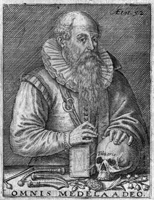
Wilhelm Fabry von Hilden (Guilelmus Fabricius Hildanus)
1560-1634
Hildanus is considered the greatest German surgeon of his time, who established scientific surgery in Germany by writing numerous studies (Gangrän [1593], Dysenterie [1602], Feldchirurgie [1607], Blasenstein [1626]) based on clinical observation. His summaries of case reports in six volumes, the Observationum et Curationum Chirurgicarum Centuriae (from 1610), are groundbreaking. In addition, Hildanus improved procedures for amputations and haemostasis.
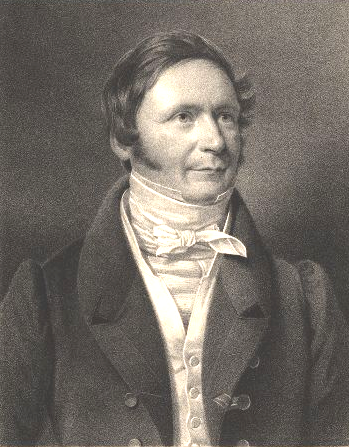
Dietrich Wilhelm Heinrich Busch
1788-1858
The Marburg surgeon devoted himself primarily to obstetrics. During his time as director of the Marburg Obstetrics Clinic and head of the Berlin Obstetrics Clinic, he promoted the development of obstetrics and obstetric surgery. In this context, he wrote the textbook Lehrbuch der Geburtskunde (Textbook of Obstetrics, 1829) and Das Geschlechtsleben des Weibes in physiologischer, pathologischer und therapeutischer Hinsicht 1-5 (The Sexual Life of Women from a Physiological, Pathological and Therapeutic Perspective, 1839-1844).
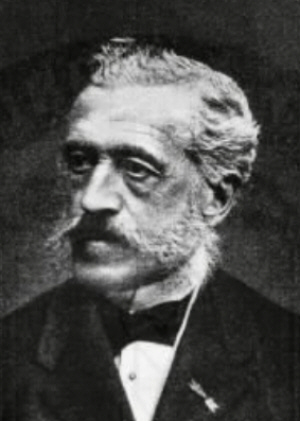
Bernhard von Langenbeck
1810-1887
Langenbeck made Berlin's Charité hospital the centre of surgery in 19th-century Europe and initiated the founding of the German Society for Surgery. He is considered the founder of experimental surgery, introduced the Journal of Clinical Surgery (1860) and developed numerous instruments (Langenbeck hooks) and surgical procedures in bone, joint and plastic surgery, as well as fundamental procedures for the treatment of cleft palates (uranoplasty by detaching the mucoperiostal palatal membrane [1861]. He also played a key role in shaping what is known as conservative surgery.
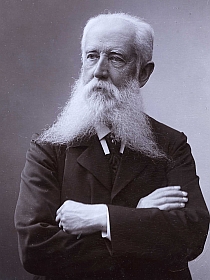
Johannes Friedrich August von Esmarch
1823-1908
His experience as a military doctor in the Schleswig-Holstein Wars of 1848-51 and the Franco-Prussian War of 1870/71 was incorporated into the Handbook of War Surgery (1877) and led to the guide First Aid in Sudden Accidents (1882: triangular bandage, Esmarch manoeuvre) and the promotion of first aid in Germany. His development of a method for producing bloodless conditions during operations remains authoritative in surgical science to this day.
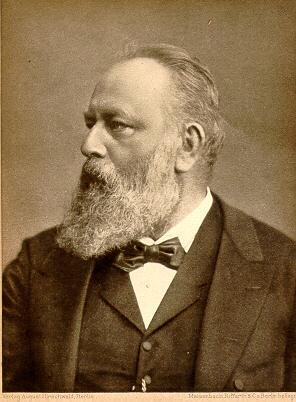
Christian Albert Theodor Billroth
1829-1894
The former assistant to Bernhard Langenbeck promoted modern scientific surgery ("natural scientist in a surgeon's coat") with his pathological-anatomical publications during his professorship in Zurich (General Surgical Pathology and Therapy [1863]). In Vienna, he developed surgical procedures for the stomach, oesophagus and larynx (resections), making him the founder of modern abdominal surgery and a pioneer of laryngeal surgery. His discovery of streptococci contributed to surgical hygiene. Alongside his medical work, he was a prominent advocate of the hospital system and nursing education.
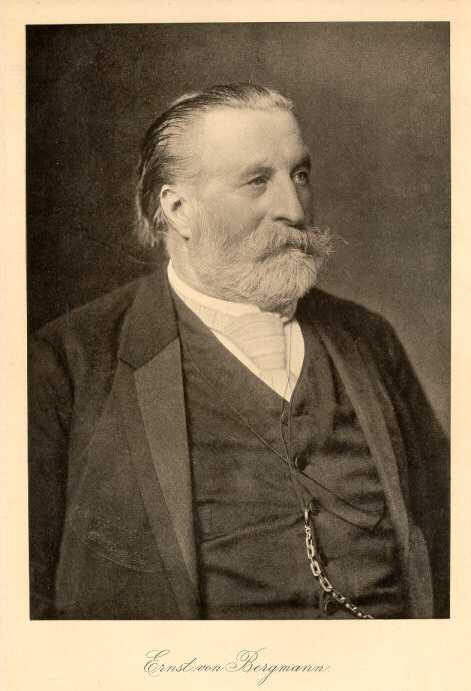
Ernst von Bergmann
1836-1907
Initially involved in war and accident surgery through his participation in the Prussian-Austrian (1866), German-French (1870/71) and Russian-Turkish wars (1877), he increasingly turned his attention to brain surgery (Die Lehre von Kopfverletzungen [The Study of Head Injuries, 1880],The Surgical Treatment of Brain Diseases [1888]), and is considered one of its co-founders. By moving away from chemical sterilisation and towards the use of steam-sterilised gauze and instruments, he made a significant contribution to the development of asepsis in wound treatment.
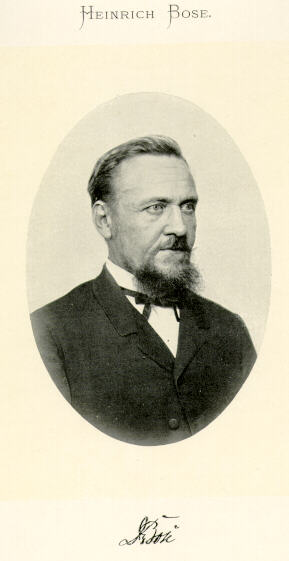
Heinrich Bose
1840-1900
Bose developed basic surgical methods (Zur Technik der Tracheotomie [On the Technique of Tracheotomy]) and instruments (Bose wedge)
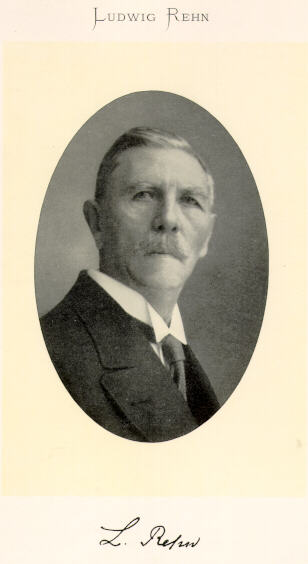
Ludwig Rehn
1849-1930
Initially concerned with the structure and function of joints, in 1888 he joined Otto Heubner in initiating the construction of the Leipzig Children's Hospital, where he became surgical director and one of the founders of paediatric surgery. His textbook on general and special surgery (1888) reached 12 editions.
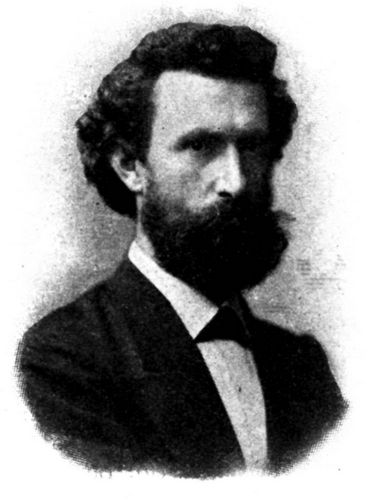
Heinrich Helferich
1851-1945
Helferich experimented with bone growth and developed surgical procedures for treating fractures that had healed in the wrong position. In 1895, as head of the University Hospital in Kiel, he published the standard work on trauma surgery of his time, the Atlas und Grundriss der traumatischen Frakturen und Luxationen (Atlas and Outline of Traumatic Fractures and Dislocations).
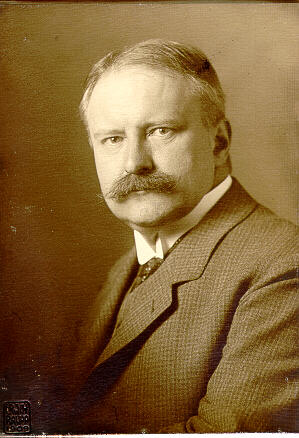
August Karl Gustav Bier
1861-1949
In 1899, Bier introduced lumbar anaesthesia using cocaine into everyday clinical practice, enabling operations below the navel and pain-free childbirth. Bier's congestion (hyperemia treatment) using a suction cup modified by him was used to treat inflammation.
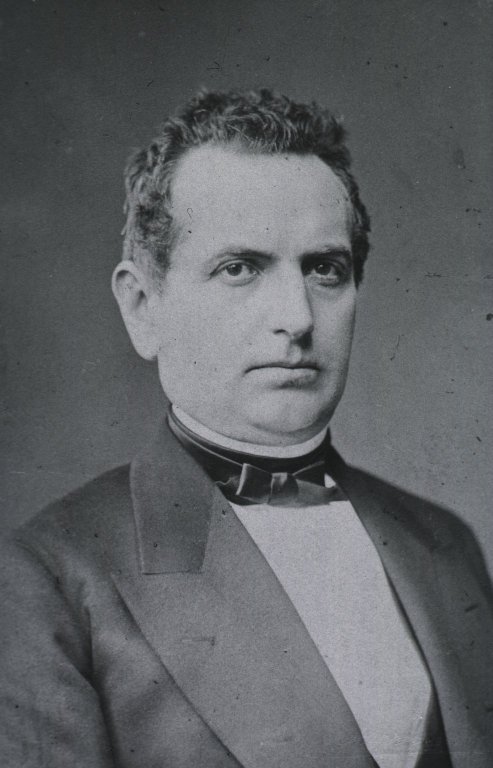
Karl Maximilian Wilhelm Wilms
1867-1918
Wilms first attracted attention in 1899 with his work Die Mischgeschwülste (Mixed Tumours). X-ray diagnostics and radiation treatment of tumours (Wilms' tumour) remained a focus of his work, to which he added the treatment of tuberculosis. He developed a manometer for the spinal canal, the precursor of the intracranial pressure probe. His textbook on surgery, which he wrote together with Ludwig Wullstein from 1908 to 1909, appeared in seven editions.
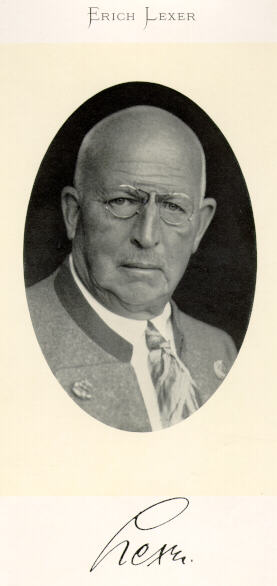
Erich Lexer
1867-1937
His method of facelift surgery, presented in 1906, anticipated many aspects of modern plastic surgery. The techniques he developed in reconstructive surgery – particularly in the maxillofacial area, mammoplasty and cleft palate surgery – became fundamental in surgery. He wrote the textbook on general surgery (1903), which was in print for 35 years.
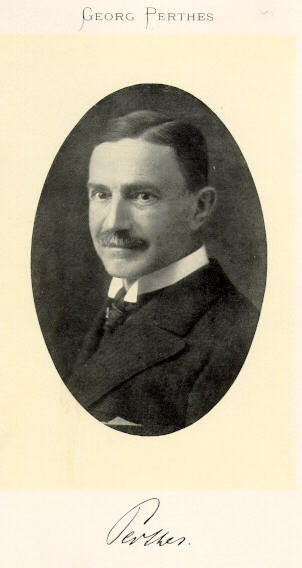
Georg Clemens Perthes
1869-1927
Perthes conducted research into suction treatment of empyema (habilitation in 1898), plastic surgery of the jaw and the long-range effects of projectiles. He developed surgical techniques for dislocation of the patella and shoulder joint as well as for tendon transplantation in cases of radial nerve palsy. Perthes' disease, a form of hip necrosis in adolescents, is named after him. He was the first to treat carcinomas with X-rays..
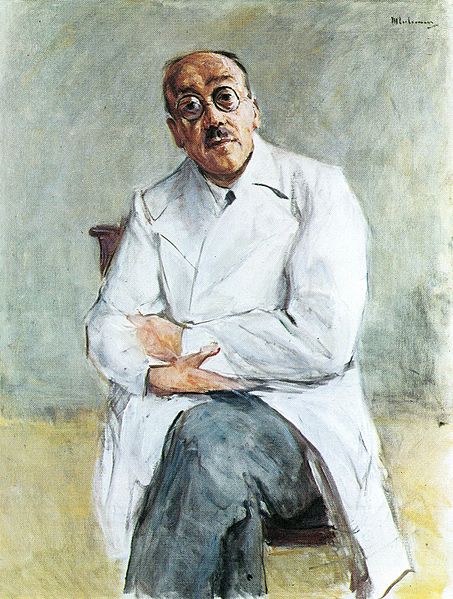
Ferdinand Sauerbruch
1875-1951
Sauerbruch promoted thoracic surgery by developing the Sauerbruch pressure difference chamber, which enabled surgery without lung collapse. His new surgical techniques facilitated the treatment of tuberculosis patients. The development of the so-called Sauerbruch hand enabled amputees to use a prosthesis controlled by their will.
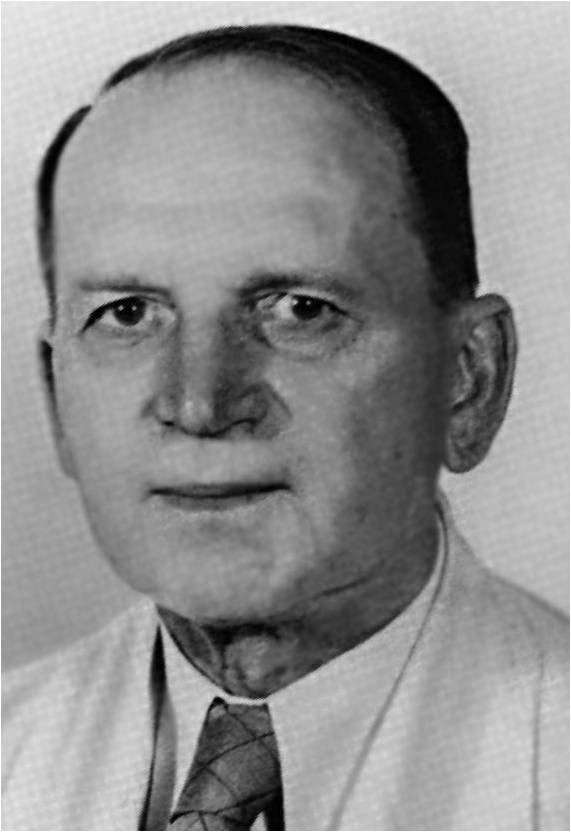
Martin Waßmund
1892-1956
Oral and maxillofacial surgery owes its independence and fundamental methodology to him. At the Maxillofacial Clinic of the Rudolf Virchow Hospital in Berlin, which he co-founded in 1925, he developed numerous fundamental surgical techniques (fractures and dislocations of the facial skull [1927]; Textbook of Practical Surgery of the Mouth and Jaw 1-2 [1935, 1939]). His view that dentists and physicians should work together rather than alongside each other provided decisive impetus for the development of specialist training in Germany. In 1951, Waßmund founded the German Society for Oral and Maxillofacial Surgery (DGMKG).
Gerhard Küntscher
1900-1972
After various experimental investigations into bone physiology (Die Bedeutung der Darstellung des Kraftflusses im Knochen für die Chirurgie [The Importance of Representing the Flow of Force in Bones for Surgery, 1935]; Der Einfluß von Zug- und Druckkräften auf die Bruchheilung [The Influence of Tensile and Compressive Forces on Fracture Healing, 1936]), Küntscher developed the Küntscher intramedullary nailing technique, named after him, for the treatment of fractures. This was followed by research into callus formation. He is considered one of the German pioneers in trauma surgery.
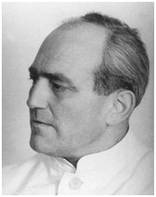
Karl Schuchardt
1901-1985
At the beginning of World War II, Schuchardt took over the management of the reserve hospital for facial injuries in Berlin. This task gave him the opportunity to develop and modify numerous plastic surgery techniques, in particular the use of round flap plasty (Der Rundstiellappen in der Wiederherstellungschirurgie des Kiefer-Gesichtsbereiches [The round flap in reconstructive surgery of the maxillofacial region], 1944). Dysgnathia surgery benefited from his osteotomy technique (1955), traumatology from the wire bow plastic splint, and cleft surgery from wave incisions and velumplasty. In 1954, he founded the annual journal Fortschritte der Kiefer- und Gesichtschirurgie (Advances in Maxillofacial Surgery).
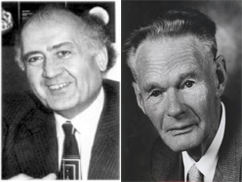
Traugott Riechert zusammen mit Fritz Mundinger
(1905-1983, *1924)
The neurosurgeon introduced stereotactic surgery in Germany in 1950, enabling minimally invasive brain surgery to stimulate or block different areas of the brain and thus counteract control defects (Parkinson's disease, Huntington's disease). His assistant Mundinger improved the technique and, in 1973, encouraged to use computers for the procedure, whereupon the first magnetic card-controlled table computer was programmed for him.
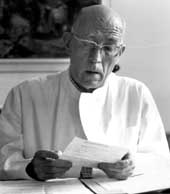
Alfred Rehrmann
1910-1979
As a student of Martin Waßmund and Karl Schuchardt, Rehrmann also combined dentistry and human medicine. He is considered a pioneer of modern maxillofacial surgery, having developed orthodontic, pre-prosthetic and tumour surgical procedures, including the restoration of the position of the lower jaw after temporomandibular joint fractures using extraoral wire extension and the formation of a vestibular mucosal flap to close maxillary sinus perforations in the upper jaw.
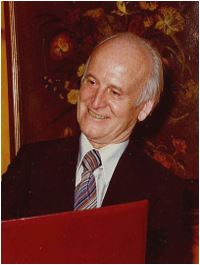
Eduard Schmid
1912-1992
Eduard Schmid founded the first clinic for plastic surgery in Germany at the Marien hospital in Stuttgart. During the Second World War, he was confronted with numerous facial injuries on the Eastern Front and after the war, he initially went to the military hospital in Bad Urach. There, he developed bone-preserving surgical techniques in the facial skull area that were designed to preserve function (food intake) but also be aesthetically pleasing. After overcoming the aftermath of the war, his work focused primarily on cleft lips, jaws and palates, malformations, work and traffic accidents, and the consequences of tumour surgery. Schmid's achievement was undoubtedly to use the possibilities of surgery to enable disfigured patients to regain a social life.
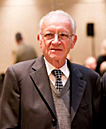
Wolfgang Seeger
1929-2018
The Freiburg neurosurgeon is a co-founder and pioneer of function-preserving microsurgery. He presented his surgical techniques and findings in 20 image atlases on the application of microsurgical techniques, which he drew himself. Since his retirement, Seeger has continued to work on his studies of new surgical techniques using neuro-navigation and neuro-endoscopy.
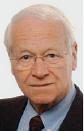
Heinz Pichlmaier
*1930
Since the 1960s, he has been a key promoter of transplant surgery in Germany, focusing in particular on kidney transplantation, of which he is one of the pioneers in Germany. One focus of his work was thoracic surgery (editor, together with F. W. Schildberg, Thoraxchirurgie. Kirschnersche allgemeine und spezielle Operationslehre 6,1) and oesophageal surgery, whose methodology he significantly advanced.
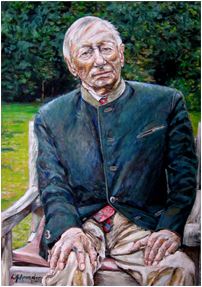
Hermann Bünte
*1930
Bünte strongly supported the emerging demand for specialisation within the field of surgery. This led to the creation of separate chairs for trauma and hand surgery, anaesthesiology and operative intensive care medicine, urology, neurosurgery and paediatric surgery. Bünte developed numerous new surgical methods and optimised conventional procedures, thereby paving the way for modern function-preserving surgery.